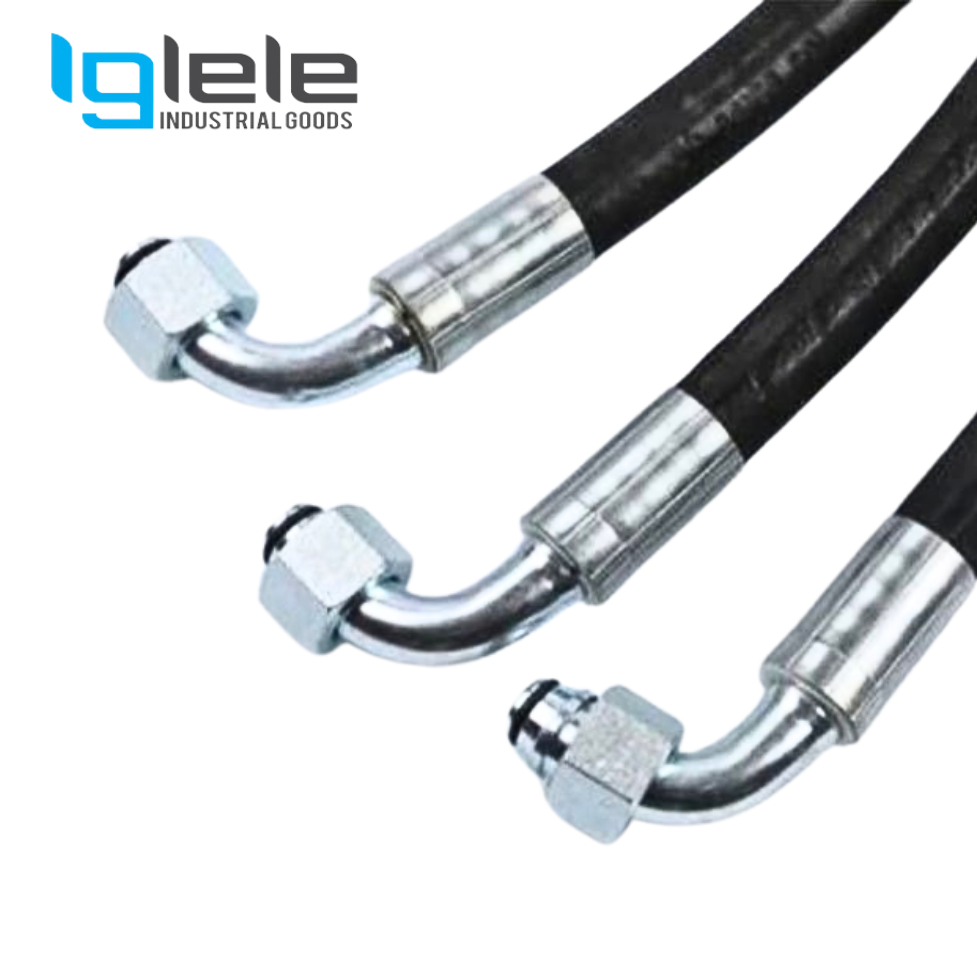
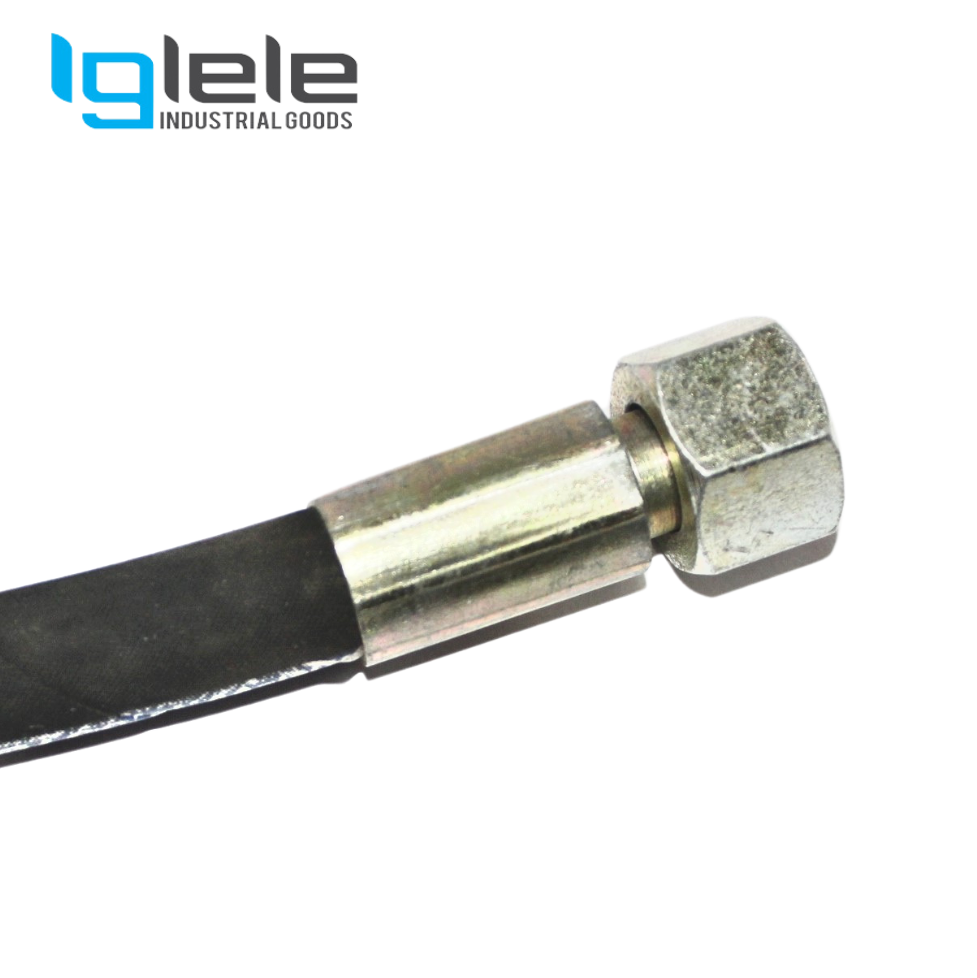
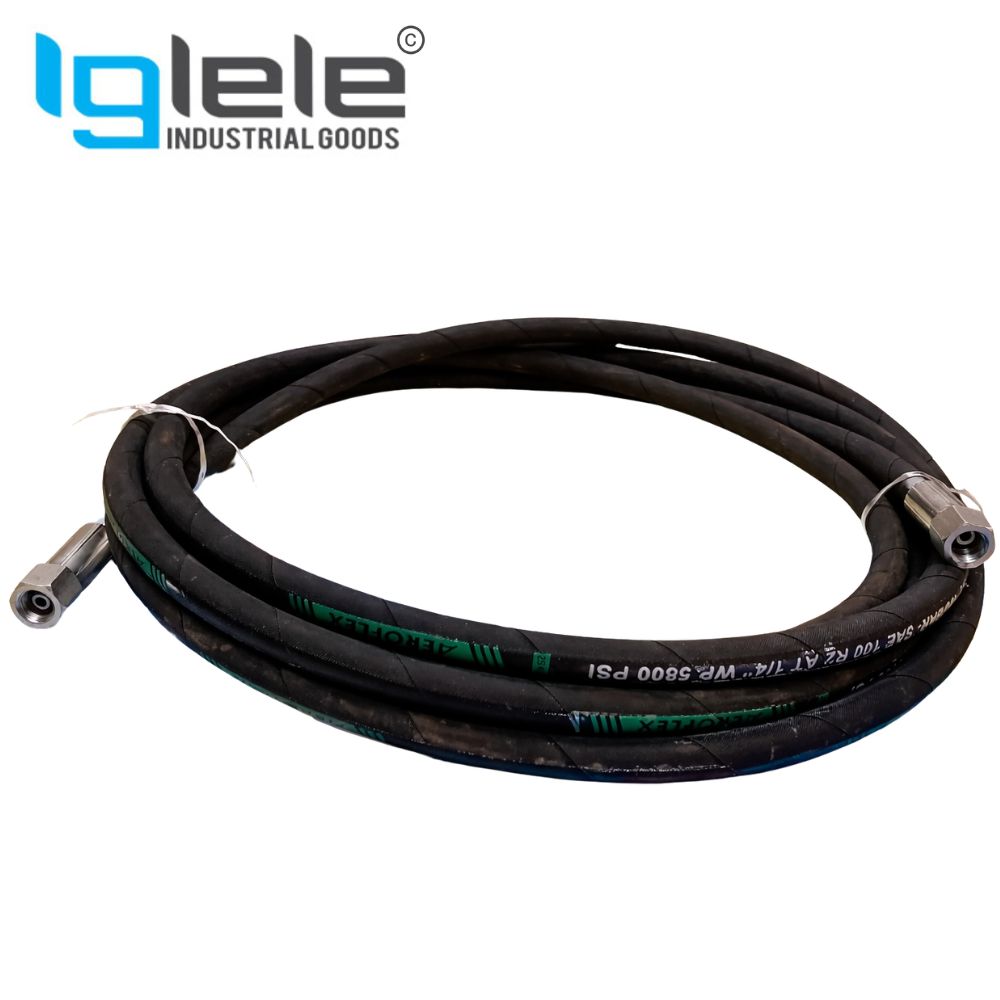
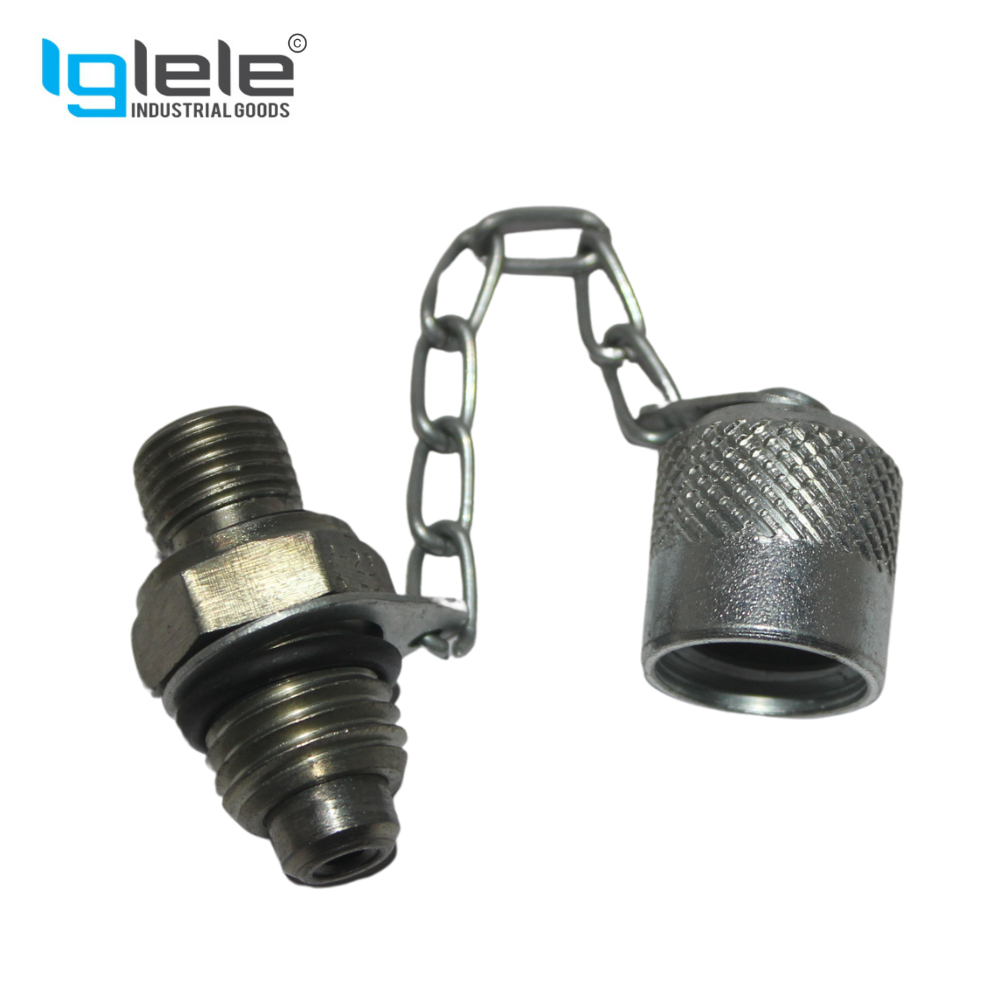
Description Reviews Hydraulic Minimize Hose Type : 1. Reinforced Rubber Hoses Description: Made from synthetic rubber with one or more layers of reinforcement (such as steel wire or fabric). Applications: Suitable for general hydraulic applications with moderate pressures. Advantages: Flexible, resistant to abrasion, and relatively cost-effective. Considerations: May have limitations in extreme temperature or high-pressure conditions. 2. Thermoplastic Hoses Description: Constructed from thermoplastic materials (like nylon or polyester) with synthetic rubber or elastomeric linings. Applications: Ideal for applications requiring high flexibility and resistance to chemicals, abrasion, and high pressures. Advantages: Lightweight, durable, and offers excellent resistance to external factors. Considerations: Can be less flexible at lower temperatures compared to rubber hoses. 3. Metallic Hoses Description: Made from stainless steel or other metals, often braided or convoluted. Applications: Best for high-temperature or high-pressure applications, and in environments where chemical resistance is needed. Advantages: Excellent strength, durability, and resistance to high temperatures and pressures. Considerations: Typically less flexible than rubber or thermoplastic hoses. 4. Double Steel Wire Braid Hoses Description: Features two layers of steel wire braid for enhanced strength and pressure handling. Applications: Used in high-pressure hydraulic systems where additional reinforcement is required. Advantages: Very high pressure and burst strength, suitable for demanding applications. Considerations: Less flexible, which can make installation and maneuverability more challenging. 5. High-Pressure Thermoplastic Hoses Description: These hoses use high-strength thermoplastic materials and are designed to handle very high pressures. Applications: Suitable for ultra-high-pressure hydraulic applications. Advantages: Provides high burst and working pressures, along with resistance to harsh chemicals and abrasion. Considerations: Can be more expensive and may have reduced flexibility compared to lower-pressure hoses. 6. Fire-Resistant Hoses Description: Designed to withstand exposure to flames and high temperatures without losing integrity. Applications: Used in environments where there is a high risk of fire or extreme heat, such as in industrial and aerospace applications. Advantages: Enhanced safety in hazardous conditions. Considerations: Usually more expensive and may be less flexible. Key Considerations for Minimizing Hose Issues: Pressure Ratings: Always select a hose with a pressure rating higher than the maximum pressure in your system. Temperature Range: Ensure the hose can handle the operating temperature of your system. Chemical Compatibility: Verify that the hose material is compatible with the fluids it will transport. Flexibility and Bend Radius: Choose a hose that offers the required flexibility and has an appropriate bend radius for your installation. Abrasion Resistance: For applications where hoses are exposed to wear and tear, select hoses with high abrasion resistance. SKU: HYDMINHS Category: Hydraulic Hose Pipes R2